
The Overlooked Detail That Transforms Your Embouchure
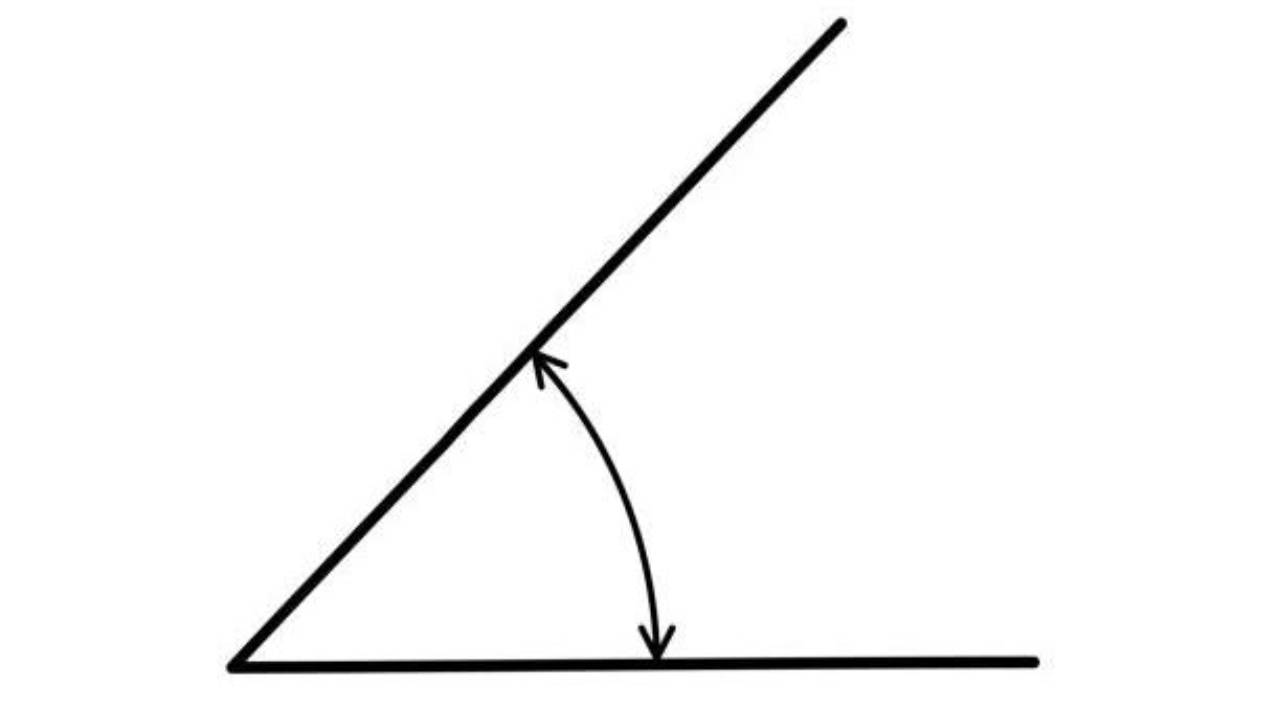
Let's talk one of the aspects of playing the clarinet that has a massive impact on the quality of your embouchure - angle. It's one of those weird things I've talked about in my weekly warm-up videos on YouTube in the past. Some teachers are really picky about it and some teachers say almost nothing about it at all. But the actual effect it can have on your sound can be massive!
Let's talk about why the correct angle is so important and then I'll give you an exercise to find the best angle that lead to great reed vibrations and high quality of sound.
In This Post
- It All Comes Back to Reed Vibrations
- What Happens When the Clarinet Is Too Straight Out
- What Happens When the Clarinet Is Too Close to Your Body
- The Sweet Spot: About 45 Degrees
- A Quick Caveat: It's the Angle Inside Your Embouchure
- An Exercise to Find Your Best Angle
It All Comes Back to Reed Vibrations
Whenever you think about any aspect of clarinet playing, whether it's the air, the embouchure, the tongue position, the reed strength, or even the mouthpiece, the most important thing to remember is that your sound quality is determined by how well your reed vibrates against the mouthpiece.
Pretty much every mouthpiece and reed works the same way. The mouthpiece has a little bit of curve to it, the reed sits on it flat, so there's a little opening at the tip. Then the reed vibrates back and forth when you blow air through it, and that's what creates your sound. It's really important that those vibrations are happening in the best way possible to create the most resonant sound.
Now, when you put your embouchure on the reed and mouthpiece, the angle drastically changes the kind of pressure you're putting on the reed.
What Happens When the Clarinet Is Too Straight Out
When the clarinet is sticking straight out of your mouth, parallel to the ground, your embouchure is directly across from the reed and directly putting pressure on it. That means a couple of different potential problems.
The first is that you get no sound at all. It's very easy to completely close off the reed when your embouchure pressure goes perfectly perpendicular to the reed. All of your embouchure pressure translates directly into whether the reed is open and can vibrate or closed and can't.
The second is a very shaky, unclear sound with no stability to it. You're sort of alternating between too much pressure and too little pressure. Every little change in your embouchure and bottom lip pressure translates directly into a change in pressure on the reed, because you're perpendicular. It's a one to one force between your biting strength and closing the reed off on the mouthpiece.
The third, and most likely problem if you can get a sound, is a nasally, kazoo-like sound. To get a consistent sound with the embouchure perfectly perpendicular to the reed, you have to be really open and relaxed. But then the reed gets vibrating out of control, and that's where you get the kazoo sound.
What Happens When the Clarinet Is Too Close to Your Body
Now, on to the other extreme. This is when the clarinet is really close to your body, almost parallel to the opening of your mouth.
Think about the natural biting force of your jaw when it closes. In this position, your pressure goes pretty much parallel to the reed and straight to the tip. The issue is almost always no sound or a very thin sound. Squeaks are also very common at this angle. You're so close to the tip of the reed, right where it needs to vibrate, that it's easy to pinch off those vibrations or be a little too tight and cause squeaking.
The Sweet Spot: About 45 Degrees
At a 45 degree angle with your natural biting force, you're digging into the true heart of the reed. You aren't perfectly perpendicular, where you're just closing things off and you aren't going up toward the tip, where you're also closing things off. You're at an angle that works really well with the reed and where you can control the vibrations but you aren't putting too much pressure on and pinching them off.
A Quick Caveat: It's the Angle Inside Your Embouchure
This doesn't actually have to do with where the clarinet is in relation to your body. It has much more to do with the angle of the clarinet inside your embouchure.
It's entirely possible to have the clarinet at that nice 45 degrees to your body, but then put your head down. Now you end up with the mouthpiece more perpendicular to your embouchure, and you get that kazoo sound again. The same goes the other way. You could have the clarinet all the way parallel to the ground, but if you tip your head back a ton, you get that extremely pinched off sound, because the mouthpiece in your embouchure has that too vertical angle.
This means the angle has almost nothing to do with the clarinet relative to your body. You can see lots of videos of jazz musicians especially, playing with the clarinet way out, but if you notice, their head isn't straight. Their head is often up as well. What's truly important is the angle of the clarinet in the embouchure.
Ideally you keep your head relaxed and keep good posture. I like to think of my chin as being parallel to the ground, with the clarinet at 45 degrees. When the head is parallel, 45 degrees means the mouthpiece is going 45 degrees into your mouth.
An Exercise to Find Your Best Angle
Depending on your bite and how your embouchure is set up, the best angle might vary just slightly. So the best way to find it is to experiment, like with everything. Find what sounds the best, then go for it.
Here's what I recommend.
- Set up your good embouchure and keep your head parallel to the ground.
- Play a note you're comfortable with. A high G right on top of the staff is a great note to experiment with.
- While holding that note, change the angle of the clarinet. Start where you normally put it, then go to the extremes and see what happens.
- Don't move your head. It's very easy to move your head and think the sound didn't change at all, but that's because the angle of the mouthpiece in your mouth didn't change. Keep your head steady and move just the clarinet.
From there you should hear a very wide range in the quality of your sound, all the way from a kazoo-like, really spread sound to a really thin, tight sound. Adjust and find that sweet spot in the middle that gives you the very best sound. After that, it's just a matter of getting used to it and playing all of your notes with that proper clarinet angle.
If you're ever playing through something and you wonder whether this is really your best sound quality, pause for a second. Pick one of the notes you're playing, do that quick little exercise to adjust, see what sounds good, and keep going once you've found that sweet spot again.
If you take some time to think about the angle of your clarinet, you'll find even better sound quality!
If you'd like, you can see the angles in real time, which can help with understanding. Just click on my YouTube video One Easy Way to Ruin a Great Embouchure and I'll see you there!