
Clarinet Equipment for Beginners
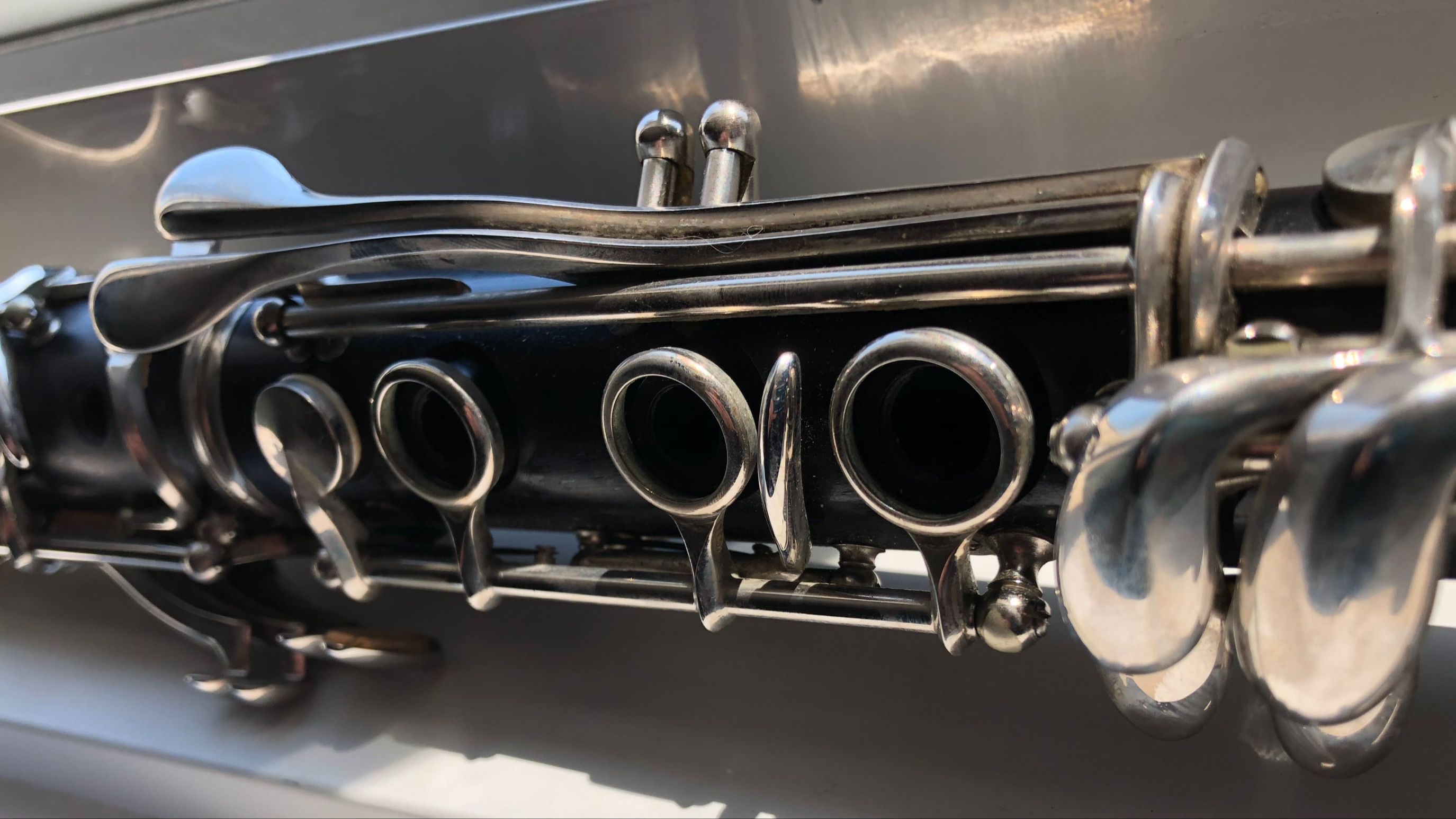
If you're brand new to the clarinet and not sure what you actually need to get started, you've come to the right place. Before you can play a single note, you have to have the right gear. And honestly, this part trips a lot of beginners up because there's so much confusing and contradictory information out there.
Let's cut through all of that and talk about exactly what you need, what to spend your money on, and what you can skip for now.
My goal is to help you get going on the clarinet with the right foundation from the very start. This post breaks down every piece of equipment a beginner needs, from the instrument itself all the way down to cork grease.
1. The Clarinet Itself
This is obviously the most important piece of equipment. For a beginner, I always recommend going with a student model clarinet. Student model clarinets are typically made of plastic rather than wood, which makes them more durable and a lot easier to take care of. You don't have to worry about temperature changes or humidity the way you do with a wood instrument.
My number one recommendation for a beginning student is the Backun Alpha clarinet. It is competitively priced with outstanding features for a student instrument. Other major name brand beginner clarinets, like Yamaha, are also a solid choice, and if you walk into a music store and ask what they recommend for a beginner, that's a perfectly good approach too.
What About Renting?
Renting from a music store is a great option, especially if you're not sure yet whether clarinet is going to stick. Music stores that carry band instruments almost always have rental programs, and it's a really affordable way to get started without a big upfront investment.
Buying used is another option. Just make sure to have it checked over by a local repair person first, especially if you're buying from someone online or at a garage sale. A quick checkup can save you a lot of frustration later.
What About the Really Cheap Amazon Clarinets?
I get this question a lot. If your budget is very limited, instruments like the Mendini clarinet on Amazon come in around $70 to $100 and include everything you need to start playing. Some of my students have used them and gotten started just fine.
That said, there are real downsides. These instruments are not well-built, and if something breaks or needs repair, most repair shops won't touch them. If you can stretch your budget at all, I'd go with a name brand student model. But if the Mendini is what gets you started, it's better than nothing.
2. Reeds
Reeds are one of the two most important things affecting how easy or hard it is to play the clarinet. A bad reed makes everything harder. A good reed makes everything feel more natural.
My top recommendation for beginners is the Juno or D'Addario Reserve reed. For beginners, I'd go with size 2 for the D'Addario reeds, or a 2.5 for the Junos, which should be a good starting point for most people.
If your instrument comes with reeds, those probably aren't great. The Rico orange box is a common beginner option and it's affordable and totally okay to start on, but the D'Addario Reserves are going to give you noticeably better quality and more consistency from reed to reed within the same box.
What About Reed Strength Over Time?
Starting out, size 2 or 2.5 is the right call. Most professional players end up somewhere around 3 to 4. So over time, maybe after six months to a year of regular playing, you can start gradually moving up. Go from a 2 to a 2.5, spend a few months there, then try 3s, and so on. There's no rush. Go with what feels good, and if you notice your reeds are dying fast or sounding bad across the whole box, that can be a sign it's time to change strengths.
3. Mouthpieces
The mouthpiece is every bit as important as the reed. Together, those two pieces are the biggest factors in how easy the clarinet is to play and how good your sound is going to be.
Most clarinets come with a mouthpiece. Whether that mouthpiece is worth using depends on the instrument. If the mouthpiece has no markings on it and you can't tell what brand it is, it's probably not great. In that case, I'd recommend looking into an upgrade.
The good news is that student-level mouthpieces that are actually good quality don't cost much. Here are my top picks, all available online in the $30-50 range:
- Backun Protege
- Clark Fobes Debut Mouthpiece
- Premiere by Hite
- Yamaha 4C
Any of those will serve a beginning student really well. If you want to eventually move up to a professional mouthpiece, those run $100 to $150 or more, but there's no reason to go there right at the start.
4. Ligatures
A ligature is the small metal, leather, or plastic piece that holds the reed onto the mouthpiece. Most clarinets come with a mouthpiece and ligature together. If you end up buying one of the third-party student mouthpieces mentioned above, just be aware that they often don't include a ligature, so you may need to grab one separately.
Ligatures on Amazon can be very affordable, sometimes as low as five dollars. You don't need anything fancy for starting out. In a pinch, you can even use a rubber band or a hair tie to hold the reed in place while you're waiting for a ligature to arrive.
5. Swabs and Cork Grease
Swabs
A swab is just a piece of fabric with a weighted string attached. After you play, you pull it through the clarinet to absorb moisture. This is important for keeping your instrument in good shape. Most clarinets come with a swab, though sometimes it's a cheaper one with a metal end rather than a covered weighted end. If yours isn't great, it's worth upgrading. I have a whole separate video on swabbing technique if you want to go deeper on this.
Cork Grease
Cork grease usually comes in a little chapstick-style tube, and you use it to lubricate the corks on your clarinet joints so everything slides together more easily. If you have a brand new instrument, the corks can be quite tight right out of the box, and cork grease makes a big difference. Your clarinet may have come with some, and if not, it's very affordable to pick up. We'll talk about how to use it properly in the assembly post.
6. A Note on Cases
Your clarinet almost certainly came in a case, so this is one thing you probably don't need to worry about. Just make sure you're using it. The case protects your instrument from bumps, drops, temperature changes, and humidity, and it keeps all of your accessories organized in one place.
7. Where to Buy Everything
Your local music store that carries band instruments is a great first stop. They'll have most of what you need and can answer questions in person. Online is also a totally convenient option, and I've linked to everything mentioned in this post.
Whatever you do, don't overthink this. Get the basics, get your instrument in hand, and then we'll get into actually assembling it and making your first sounds.
Everything in this post comes straight from my "Definitive How to Play Clarinet Guide for Beginners with Timestamps!" video on YouTube. If you're a visual learner or want to see this gear up close, watching alongside this post is a great way to go. You can find the full video here: Watch the Full Video
Disclosure: Some links in this post are affiliate links. If you make a purchase through them, I may earn a small commission at no extra cost to you. I only recommend products I genuinely trust.