
How to Buy a Clarinet
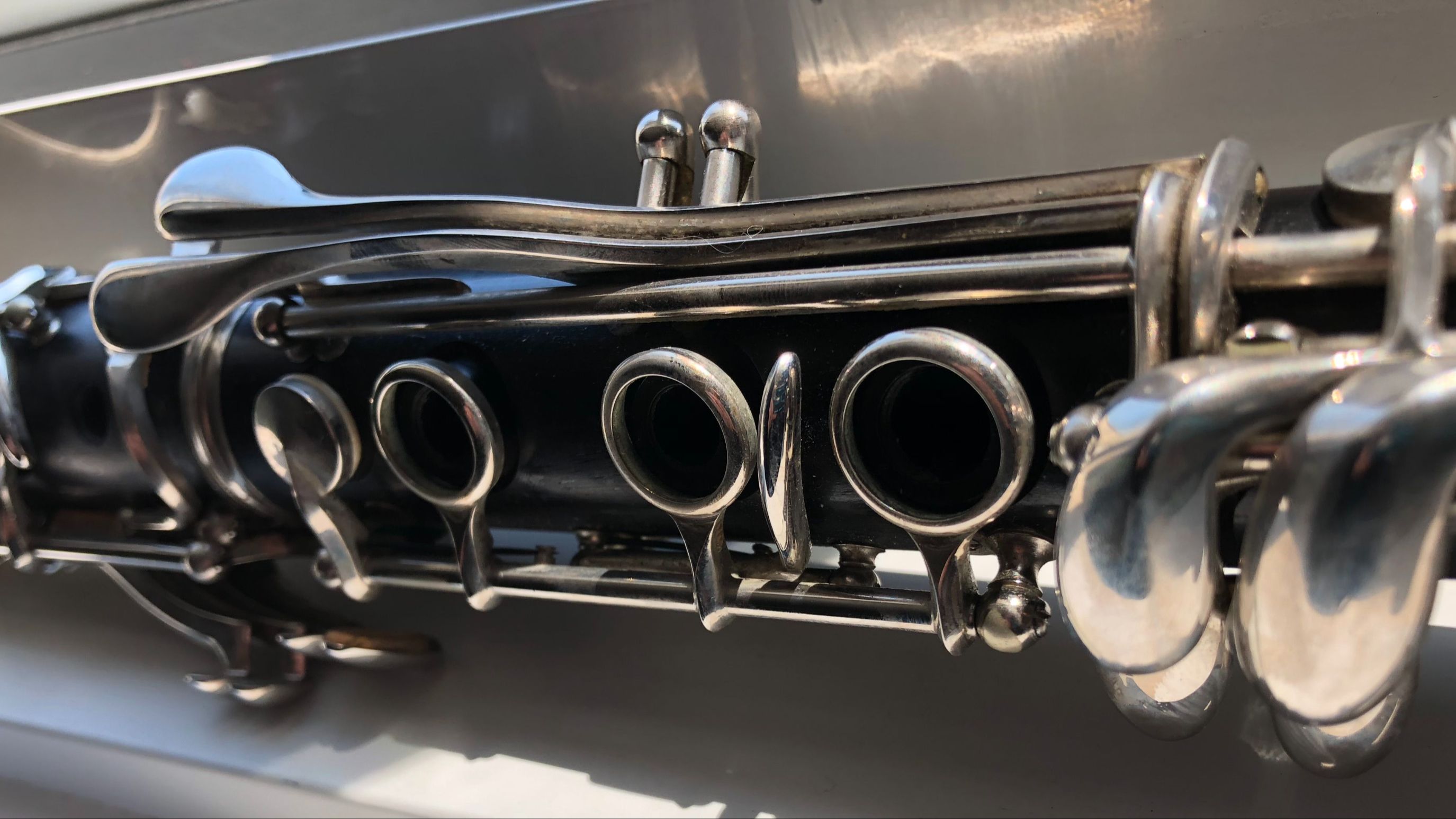
Whether you're buying your first clarinet or upgrading from a student model, this is a significant purchase and it deserves some real thought. There are a lot of options out there and the differences between them actually matter for how you play and how much you enjoy playing.
Here's everything you need to know to make a smart clarinet purchase, including what to look for, where to shop, and one thing most people overlook entirely.
1. The Three Levels of Clarinets
Clarinets are generally grouped into three categories: student (also called beginner), intermediate, and professional (also called advanced). Each level comes with a different price range and different qualities. Knowing which category you're shopping in before you start will save you a lot of confusion.
2. Student Instruments
Student clarinets are typically made of plastic and are built with durability in mind. You won't get the full complexity of tone or the warmth of a higher-end instrument, and the key action can sometimes feel a bit stiff or less refined.
That said, a good student clarinet from a reputable brand is a totally solid instrument for learning on. You can find student models starting around $600 and going up to around $1,000 or $1,200 depending on the brand.
At the very low end, there are instruments available online for under $100. We'll talk about those shortly.
3. Intermediate Instruments
Intermediate clarinets sit between student and professional in every way: price, materials, and quality. Most intermediate models are made with wood rather than plastic, which contributes to a warmer, more resonant tone. The key work is smoother and more comfortable than on student models.
Expect to pay somewhere in the $1,000 to $2,000 range for a solid intermediate instrument.
4. Professional Instruments
Professional clarinets are made from higher-grade wood and feature the finest key work available. The difference in key action is noticeable: quieter, smoother, and more precise. Some professional models also include extra keys, like the left-hand E-flat pinky key, that make certain passages easier to finger.
Beyond the mechanics, professional instruments offer the widest range of tone colors and dynamic possibilities. They reward good technique and allow the player to do more with the sound.
Price range: roughly $2,000 on the low end up to $12,000 or more for top-of-the-line instruments.
One interesting note: for major clarinet manufacturers like Buffet, the line between intermediate and professional instruments often comes down to wood selection. The wood that doesn't quite meet their professional standard gets used for the intermediate model. The craftsmanship is similar; it's really the material quality that separates them.
5. Name Brand vs. Off-Brand
The established names in the clarinet world include Buffet (probably the most recognized), Yamaha, and Selmer, among others. These brands have long track records and consistent quality control. When you buy from a reputable name brand, you generally know what you're getting.
Off-brand instruments are a different story. Some are actually decent values, but consistency is the issue. One off-brand instrument might surprise you with how well it plays. The next one from the same company might be genuinely frustrating. You're rolling the dice a bit more.
A specific situation to be cautious about: some off-brand companies advertise intermediate features at student-level prices. A wooden instrument for $800 sounds appealing. But the wood quality may not actually match what you'd get from a name-brand intermediate, and the overall playing experience often ends up closer to a name-brand student model anyway. The features are there on paper, but the execution doesn't always match up.
6. My Recommended Starting Point
For most beginners, a Yamaha student clarinet is my top recommendation. Yamaha builds reliable, well-playing student instruments and the quality control is consistent.
If your budget is very tight and you just want to get started without a large investment, there are instruments available on Amazon for under $100. Some of my students have used the Mendini clarinet to get started and it's worked fine for them. The tradeoff is that these instruments are difficult to repair if something goes wrong, since most shops won't carry parts for them. If you plan to play long-term, invest in something from a name brand if you can.
7. Where to Try Clarinets
The single best thing you can do before buying a clarinet is to actually play a few of them. Instruments at the same price point from different brands can feel and sound very different, and only playing them will tell you which one works best for you.
If you have a local music store that carries band instruments, start there. They'll likely have several options and you can get a real feel for them in person.
If you don't have a local option, Earspasm is an excellent online resource. They offer a trial program where they'll ship you three clarinets at a time. You play them, choose the one you want to keep, and send the others back. It's a free way to try multiple instruments before committing.
8. Don't Forget the Mouthpiece
Here's the thing most people skip when they're thinking about upgrading instruments: before you spend money on a new clarinet, look at your mouthpiece.
The mouthpiece has an enormous effect on your sound and on how easy or difficult the instrument is to play. If your current mouthpiece is a basic stock piece with no markings and you're not sure of the brand, it's probably holding you back more than the instrument is.
A good quality mouthpiece from a brand like Vandoren can sometimes be found on sale for around $80. That's significantly less than the cost of a new clarinet, and for many players the mouthpiece upgrade will make a bigger difference than an instrument upgrade at a similar price point. Check the mouthpiece first. If it's already a solid piece, then you know it's time to look at the clarinet itself.
I go through all of this in more detail in my YouTube video on how to buy a clarinet, including thoughts on each instrument level and the name brand vs. off-brand question.