
The Best Clarinet Pieces, Ranked
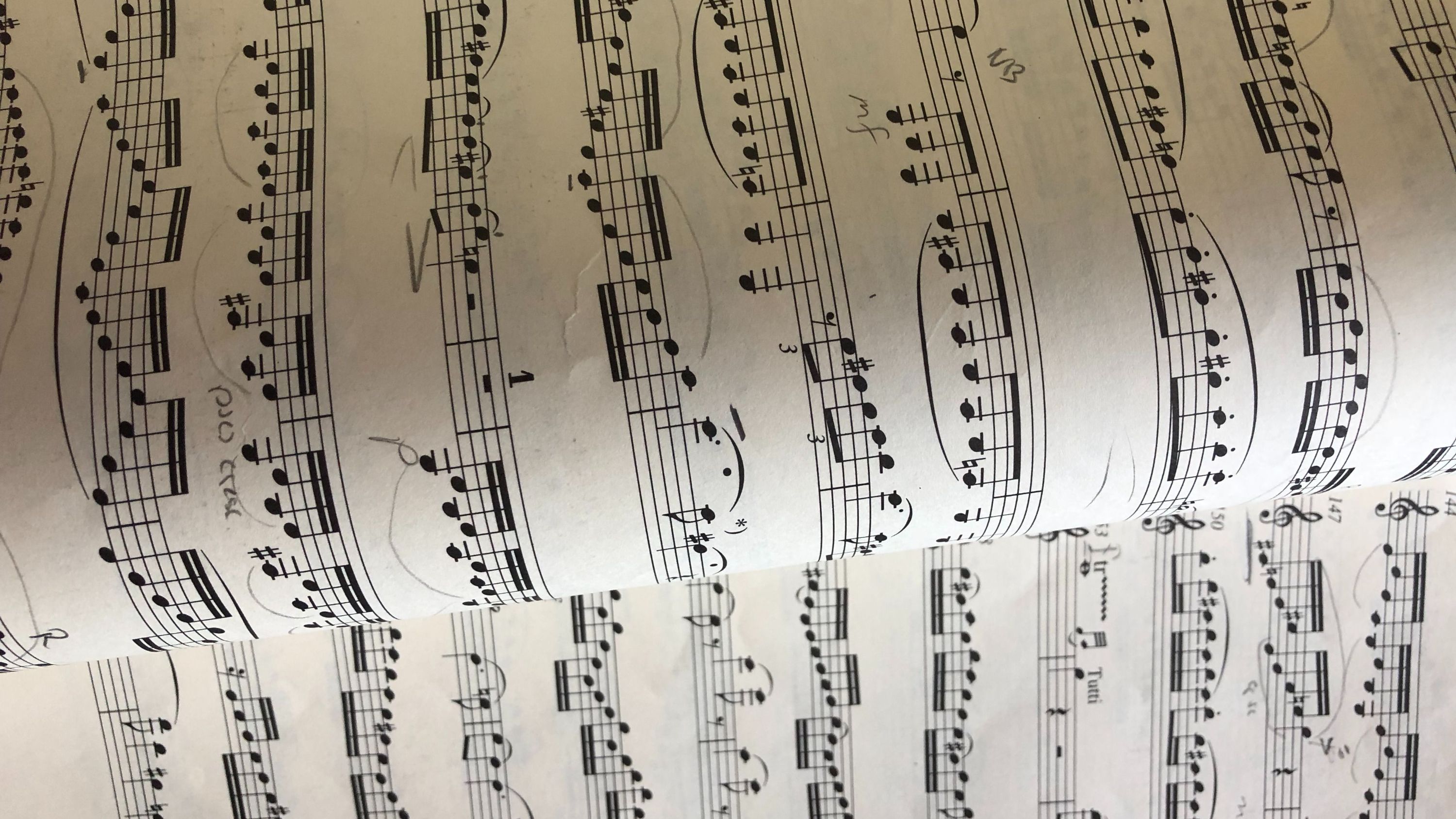
The clarinet repertoire is enormous. There are hundreds of solo pieces, concertos, chamber works, and unaccompanied showpieces out there, and sorting through all of it to figure out what's actually worth your time can be overwhelming.
This is my personal ranking of the best clarinet solo repertoire, organized from great to absolutely essential. Everything on this list is worth knowing. The pieces at the top are ones that every serious clarinetist will eventually play.
1. B Tier: Great Pieces Worth Knowing
Everything on this list is good repertoire. The B tier isn't a knock on any of these pieces. They're all genuinely enjoyable and worthwhile. They just have some stiff competition further up the list.
Sutermeister Capriccio
An unaccompanied clarinet piece with a delightful recurring melody. It's charming and fun to play, and a great entry point into unaccompanied clarinet literature.
Kovacs: Hommages
A collection of advanced etudes that function as solo pieces, each paying homage to a different composer from Bach to Weber. It's an excellent way to study different musical styles in a single collection.
Steve Reich: New York Counterpoint
A unique and inventive piece for clarinet and tape, where the soloist pre-records multiple clarinet parts and then performs a live part along with the recording. It's a genuinely cool listening experience and an interesting performance challenge.
Finzi: Five Bagatelles and Clarinet Concerto
Gerald Finzi wrote some really lovely music for the clarinet. The Five Bagatelles are accessible and beautiful, and the concerto is a more substantial work in a similar lyrical style.
Schumann: Fantasy Pieces
A very standard and very beloved set of short pieces for clarinet and piano. Romantic, singing, and immediately appealing. Some might argue this belongs higher on the list, and honestly they might not be wrong.
2. A Minus Tier: Stepping Up
Saint-Saens: Clarinet Sonata
A lush, beautiful piece for clarinet and piano in the same general territory as the Schumann. Rich melodic writing and very satisfying to play.
Messager: Solo de Concours
This piece comes from the Paris Conservatory tradition of commissioning works for student juries and final exams. It's technically demanding but very accessible, making it a staple for advanced high school players and early college students.
Bartok: Contrasts
A chamber piece for clarinet, violin, and piano that was actually commissioned by the jazz legend Benny Goodman. It's rhythmically complex, modern in style, and a really energetic collaborative challenge. A wonderful piece for those who like music with some edge to it.
Bernstein: Clarinet Sonata
One of Bernstein's earliest compositions, and you can already hear the musical personality that would later produce West Side Story. It's a fun and engaging piece that's starting to show up more frequently on audition lists.
3. A Tier: The Major Standard Works
Poulenc: Clarinet Sonata
Another French clarinet and piano sonata, but more sophisticated than the Solo de Concours. The Poulenc has a wider range of styles, trickier rhythms, and some intervals that take real work to nail. It holds a special place for me personally because it's what I played for my undergraduate auditions.
Corigliano: Clarinet Concerto
If you haven't heard this piece, stop reading and go listen to it right now. The technical demands are astronomical, and the sonic world is completely unlike most other clarinet concertos. It's contemporary, intense, and gaining real traction in the clarinet world.
The Great Chamber Quintets: Mozart, Weber, Brahms, and Schubert
Grouped together here because they represent the absolute peak of clarinet chamber music. The Mozart Clarinet Quintet, the Weber Clarinet Quintet, and the Brahms Clarinet Quintet are three of the most beloved chamber works in all of classical music, not just for clarinet. The Schubert Octet also belongs in this conversation. These pieces require not just technical proficiency but real ensemble musicianship at the highest level.
4. A Plus Tier: The Audition Staples
From here up, these are the pieces that essentially every professional clarinetist will work on at some point, and many of them show up regularly on audition lists.
Stravinsky: Three Pieces for Solo Clarinet
An unaccompanied masterwork in three movements. The first is slow and contemplative. The second and third are explosively fast and rhythmically wild. A great standard of the unaccompanied clarinet repertoire.
Weber: Two Concertos and the Concertino
All three of Weber's major works for solo clarinet and orchestra belong here. My somewhat controversial personal ranking: the Second Concerto is the flashiest and most popular but relies a lot on pure technical display. The First Concerto has more genuine musical substance. The Concertino is actually my favorite of the three because it packs all of Weber's best qualities, technical brilliance and real musical depth, into a shorter, more concentrated form. Feel free to argue with me about this.
Nielsen: Clarinet Concerto
Written in the 1920s with a distinctly modern feel, this concerto is emotionally extreme and technically demanding. There's a great story behind it: Nielsen wrote it for the clarinetist Aage Oxenvad, who was known for having quite a volatile personality, and the piece reflects that with its wild swings between moods and extremes of expression. It's increasingly showing up on audition lists and is a genuinely rewarding piece to dig into.
Copland: Clarinet Concerto
Also commissioned by Benny Goodman, this concerto begins with one of the most serene and beautiful clarinet openings in the repertoire, moves through a powerful cadenza with real jazz flavor, and finishes with a jazzy second half that reflects Goodman's musical world. It's an unmistakably American piece written for an American artist by an American composer, and it's a standard on audition lists for good reason.
5. S Tier: The Absolute Best
Brahms: Two Clarinet Sonatas
Brahms wrote these late in his life for the clarinetist Richard Muhlfeld, whose playing so moved Brahms that he apparently came out of creative retirement just to write for him. The story is slightly romanticized in the retelling, and there's actually some evidence that Brahms may have originally conceived these as viola pieces. Both clarinetists and violists claim them as essential repertoire today, which says a lot. As clarinet and piano music, these sonatas are essentially the gold standard. Technically demanding, deeply musical, and absolutely beautiful.
Debussy: Premier Rhapsody
The Debussy comes from the same Paris Conservatory tradition as the Messager, but it's in a completely different league. It's technically demanding in all the ways those conservatory pieces tend to be, but the musicality and delicacy required to really make it sing is something else entirely. When it's played well, it sounds effortless. It is not. That gap between how it sounds and how hard it is to actually do is the mark of a truly great piece of music. It's on just about every serious audition list and is one of those pieces that clarinetists return to throughout their careers.
Mozart: Clarinet Concerto
There's really no debate here. The Mozart Clarinet Concerto is on literally every professional audition list. It shows up on classical radio constantly. Thousands of performers from students to professionals are working on it at any given moment around the world. Mozart was one of the earliest major composers to take the clarinet seriously as a solo instrument, and this concerto helped put the instrument on the map. Its influence on everything that came after, including Weber, Brahms, and beyond, is immeasurable. It has the operatic singing quality, the drama, the beauty, and the technical demands that make a truly great concerto. There is no other piece that belongs at the top of this list.
This post is based on a ranking video I put together on my YouTube channel, where I go through each tier with a bit more commentary and some personal takes on the order. If you want to hear the reasoning live, or if you just want to argue with me about where the Weber Concertino belongs, come on over to the video!