
How to Fix a Fuzzy or Airy Clarinet Sound
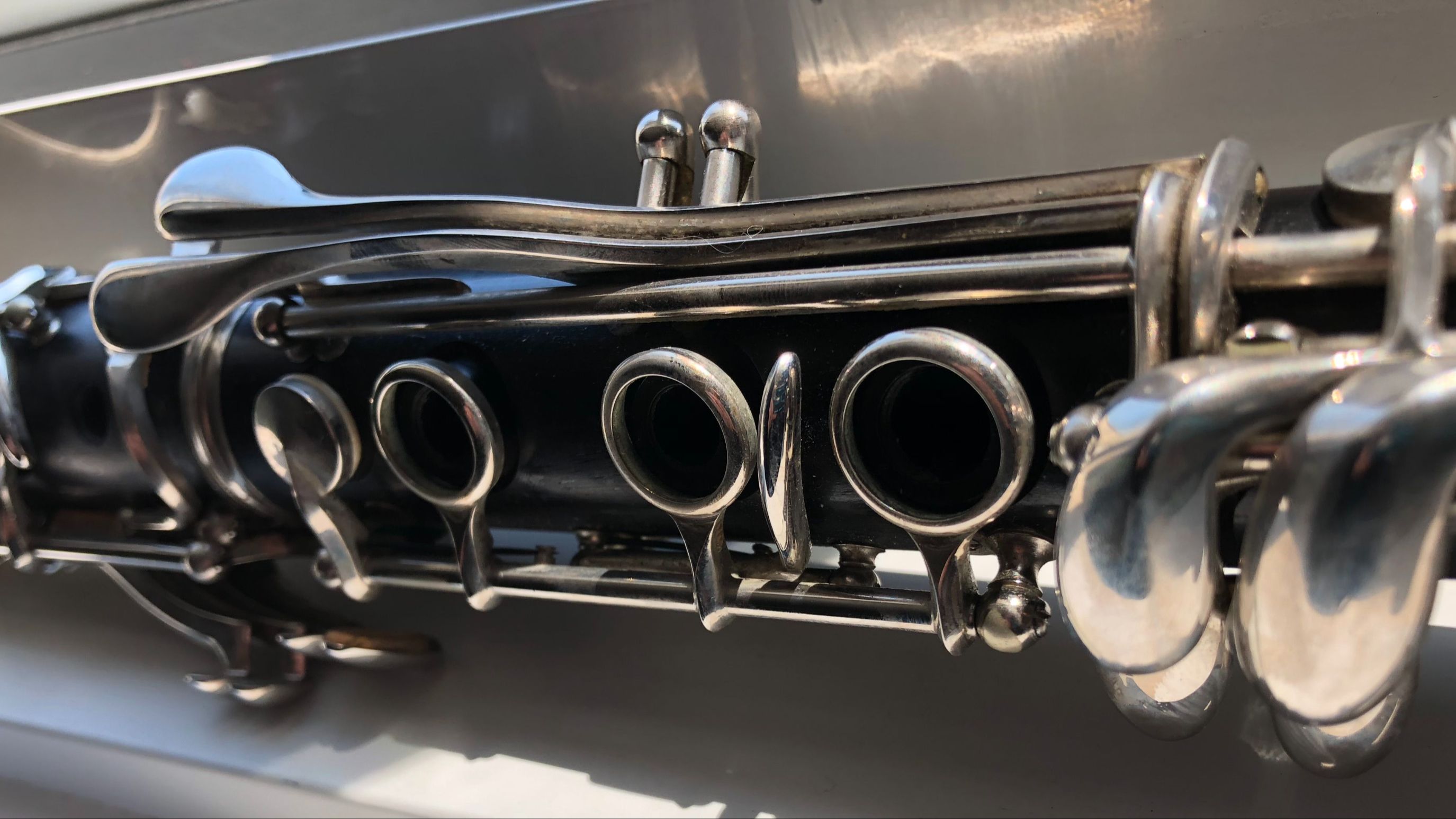
If your clarinet sound has that breathy, fuzzy quality to it, where the tone feels more like air than actual note, you are definitely not alone. It's one of the most common complaints I hear from players at all levels.
The good news is that a fuzzy or airy sound is a fixable problem. Once you understand what's actually causing it, you have a clear roadmap for making it better.
In this post I'm going to walk you through the big picture of why that airy sound happens, and then break it down into the three main categories of causes so you can figure out exactly where your issue is coming from.
1. The Big Picture: Why Airy Sound Happens
At the root of every airy or fuzzy clarinet sound is one thing: the reed isn't vibrating fully. The resonance through the instrument is incomplete and not well connected.
Think about the chain of energy when you play. Your air support down in your lungs drives the airstream through the mouthpiece. That airstream causes the reed to vibrate against the mouthpiece. Those vibrations resonate through the whole column of air inside the clarinet and produce the sound you hear.
If any part of that chain is broken or underperforming, the vibration is incomplete. When the reed isn't vibrating fully, the sound feels dull, fuzzy, and airy rather than clear and resonant. That's the diagnosis. Now let's look at what's causing it.
2. Equipment Leaks
This is the easiest category to rule out, so start here. If one of your clarinet pads has even a tiny leak, air is escaping when it shouldn't be, and the resonance gets disrupted.
A pad leak has a very specific pattern: the notes above a certain point on the instrument will sound fine, and then at a particular note and below, the sound suddenly gets fuzzy or starts to squeak. If you notice that pattern in your playing, a leak is a strong possibility.
One way to test this is to find the note where things start going fuzzy and then gently press down on each pad near that note, one at a time, while you play. If pressing on a particular pad suddenly brings the sound into focus, that's your leak. The pad probably just needs a small adjustment or replacement, which any repair shop can handle quickly.
Once you've ruled out an equipment issue, you can move on to the other causes.
3. Reed Problems
The second category is the reed itself. The specific issue I most often associate with an airy, fuzzy sound is an unbalanced reed.
What Is an Unbalanced Reed?
A balanced reed vibrates evenly across its whole surface. An unbalanced reed has one side that's a bit softer and one side that's a bit harder, which means one side vibrates well and the other side doesn't, creating those dead spots in the sound.
How to Test for Balance
Here's a simple test. Play an open G, then slowly rotate the clarinet about halfway so that your lip is now pinching off one side of the reed, leaving the other side free to vibrate. Listen to that side. Then rotate the other way and listen to the other side. If one side sounds noticeably cleaner and clearer than the other, your reed is unbalanced.
What to Do About It
A quick fix is to slide the reed very slightly off center on the mouthpiece, moving it toward the harder side. This shifts more of the thin vibrating edge of the reed toward the rail of the mouthpiece and evens out the vibration. It'll look a little off center, but a more balanced sound is worth it.
The more thorough fix is actual reed adjustment, which involves sanding down the harder side to match the softer side. That's a deeper topic for another post, but knowing this test exists gives you a useful tool to diagnose what's going on.
Reed Hardness
An airy sound can also come from a reed that's simply too hard for your current mouthpiece and air support. If the reed is too stiff, your air can't get it vibrating fully no matter how much you blow. When both sides of your balance test sound equally dull and airy, that's often a sign the reed is on the harder side overall, and you may need to compensate with stronger air support or try a softer reed.
4. Your Input: Air Support and Embouchure
The third category is what you're contributing to the equation. Even with good equipment and a decent reed, poor air support or embouchure issues can kill the vibration.
Air Support
The airstream needs to be both strong and focused. Think of blowing through a narrow straw: fast, pressurized, concentrated air aimed right at the reed. If your air is too weak, the reed won't vibrate with enough energy. If it's too wide and unfocused, the energy dissipates before it reaches the reed fully.
If the reed is on the harder side, you'll need more air support to compensate. If it's on the softer side, you may need slightly less volume but definitely a more focused, narrow stream.
Embouchure
Your embouchure contributes to the fuzzy sound problem in two directions. Biting down too hard compresses the reed and chokes off its vibration. You get a tight, constipated, stuffy sound where the reed just can't move freely.
On the other end, a soggy or floppy bottom lip dampens the vibration. Instead of giving the reed a firm surface to vibrate against, a loose bottom lip absorbs the energy and deadens the sound. The bottom lip should be firm and supportive without biting.
Think of squeezing in from the corners of your mouth rather than closing your jaw. That gives you the seal and support you need without pinching off the reed's movement.
5. Finding the Balance
The reason fixing an airy sound isn't always straightforward is that the solution depends on what combination of factors is at play. A hard reed needs more air and embouchure support. A soft reed needs a more focused, narrower airstream and a lighter embouchure touch. A leak needs a trip to the repair shop. An unbalanced reed needs adjustment.
What you're working toward in all cases is the same thing: maximizing the vibration of the reed. Good sound comes from good reed vibrations. The whole job of your air and embouchure is to translate the energy you're putting in into full, even vibration of the reed across its entire surface.
When you find that balance, even a reed that's not quite perfect will produce a clear, full, resonant sound. That's the goal, and it's absolutely reachable with some focused experimentation.
Hearing the difference between an airy sound and a clear sound is really the best way to understand what we're going for. In my YouTube video on this topic, I demonstrate each of these issues live so you can hear exactly what the problem sounds like and what it sounds like when it's fixed. It pairs really well with this post.
Disclosure: Some links in this post are affiliate links. If you make a purchase through them, I may earn a small commission at no extra cost to you. I only recommend products I genuinely trust.